

- Instructor: admin
- Lectures: 11
- Duration: 10 weeks
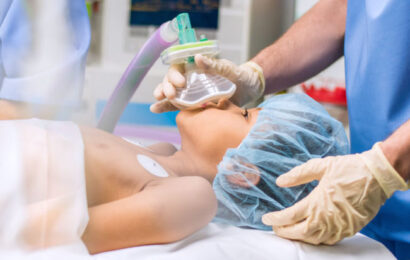
Valvular heart disease disturbs the natural physiology of the circulatory and pulmonary systems. The heart valves commonly affected by the disease are aortic and mitral. Valvular pathology can lead to valve incompetence or stenosis. The resistance to outflow from a cardiac chamber or the retrograde flow back of blood has systemic effects. The chambers of the heart are also affected by these circulatory restrictions. The effective forward cardiac output of the heart is adversely affected. The organ most affected the valvular lesions is the lung, which develops changes in its perfusion. The maintenance of normal cardiopulmonary physiology is paramount in the conduct of anesthesia. The cardiovascular and pulmonary changes majorly changes the patient responses to anesthetic agents and mechanical ventilation. This course module is focused on enhancing the knowledge of an Anesthesiologist in managing patients with Valvular Heart Disease.
-
Overview
In this section we'll show you how this course has been structured and how to get the most out of it. We'll also show you how to solve the exercises and submit quizzes.
-
Basics
In this section you'll learn some basic concepts of programming languages and how to use them. You'll also learn how to write clean code using different code editors and tools.
-
Lecture 2.1Working with Strings – Part 740m
-
Lecture 2.2Working with Numbers – Part 735m
-
Lecture 2.3Tuples, Sets, and Booleans – Part 720m
-
Lecture 2.4Regular Expressions – Part 720m
-
Lecture 2.5Version Control – Part 730m
-
-
Advanced
In this section you'll learn some core concepts of Object Oriented Programming. You'll also learn how to structure the data, debug and handling exceptions.
-
Lecture 3.1Object Oriented Programming – Part 717m
-
Lecture 3.2Control Flow – Part 718m
-
Lecture 3.3Modules and Packages – Part 713m
-
-
Conclusion
Lorem Ipsum is simply dummy text of the printing and typesetting industry. Lorem Ipsum has been the industry’s standard dummy text ever since the 1500s, when an unknown printer took a galley of type.
-
Lecture 4.1Errors and Exceptions – Part 745m
-