
- Instructor: admin
- Lectures: 11
- Duration: 10 weeks
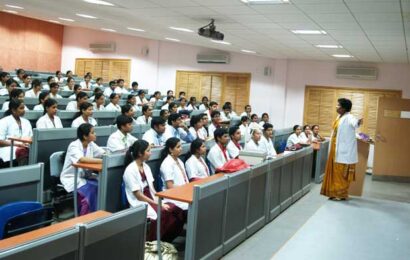
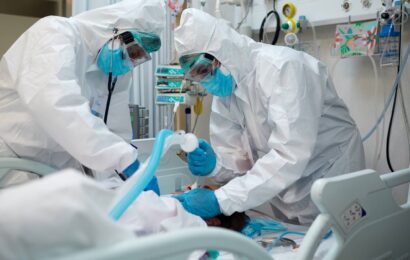
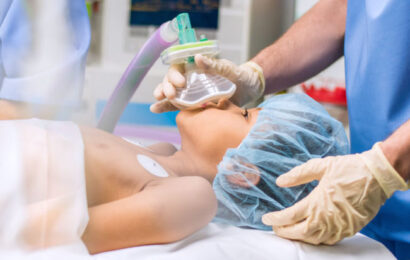
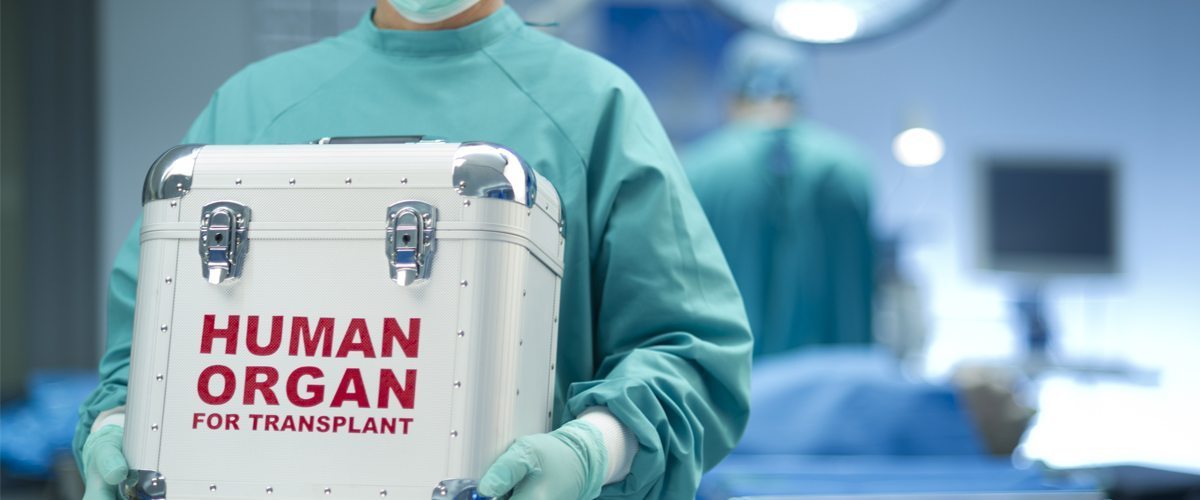
The field of Organ Transplantation has made major leaps in the last two years. It is possible to transplant a large number of organs today. Patients requiring organ transplantation are terminally ill and have several co-morbidities, apart from the primary organ disease. A thorough preoperative evaluation and optimization is inescapable in these cases. In addition, the anesthesiologist has to shoulder the burden of intensive care management of these patients, both pre- and post-operatively. Anesthesiologists managing patients for organ transplantation need extensive knowledge of managing organ failure and ensuring that they sail through this difficult phase. This course module focusses on Anesthetic and Critical Care Management of transplantation of different organs.
-
Overview
In this section we'll show you how this course has been structured and how to get the most out of it. We'll also show you how to solve the exercises and submit quizzes.
-
Basics
In this section you'll learn some basic concepts of programming languages and how to use them. You'll also learn how to write clean code using different code editors and tools.
-
Lecture 2.1Working with Strings – Part 640m
-
Lecture 2.2Working with Numbers – Part 635m
-
Lecture 2.3Tuples, Sets, and Booleans – Part 620m
-
Lecture 2.4Regular Expressions – Part 620m
-
Lecture 2.5Version Control – Part 630m
-
-
Advanced
In this section you'll learn some core concepts of Object Oriented Programming. You'll also learn how to structure the data, debug and handling exceptions.
-
Lecture 3.1Object Oriented Programming – Part 617m
-
Lecture 3.2Control Flow – Part 618m
-
Lecture 3.3Modules and Packages – Part 613m
-
-
Conclusion
Lorem Ipsum is simply dummy text of the printing and typesetting industry. Lorem Ipsum has been the industry’s standard dummy text ever since the 1500s, when an unknown printer took a galley of type.
-
Lecture 4.1Errors and Exceptions – Part 645m
-