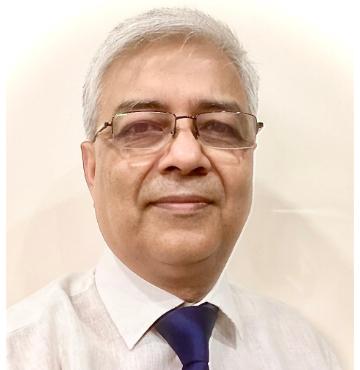

- Instructor: Dr Mukul Chandra Kapoor
- Lectures: 73
- Duration: 52 weeks
- 200 video lectures over a period of year
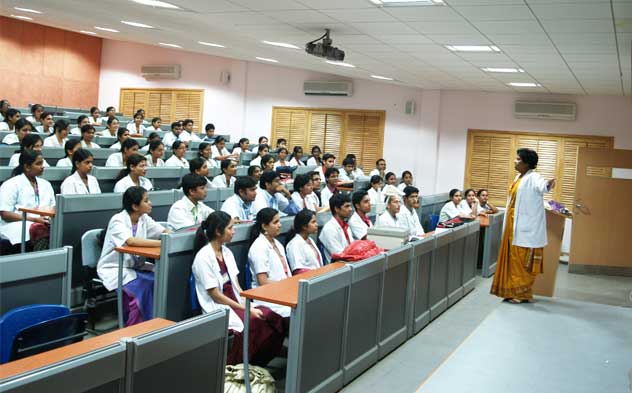
- Experienced faculty average experience more than 25 years
- Faculty from the different geographic region
- Candidates can ask questions
- Progress bar to monitor candidates progress
- Lecture playing speed can be changed
- Replay lecture for revision better understanding
- Candidates can download in the device and watch on the go to save data
- App automatically changes resolution, if data speed low resolution changes to avoid buffering
- Mcq for self-assessment
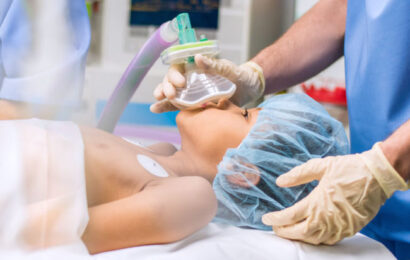
Anesthesiology is a clinical practice-oriented subject like most medical disciplines. An Anesthesiologist needs dexterity and a thorough knowledge of his subject to be a safe clinician. An Anesthesiologist can ensure good patient outcomes only if proficient in all sub-specialities of the field. The skills developed in clinical training need supplementation with recent and updated knowledge.
The Anesthesiology section of MedicoAcademy aims to disseminate information about this diverse subject. We want to cover all sub-specialities and have a comprehensive teaching program. We have asked pioneers and leaders in different fields to prepare talks in their fields of expertise. Teaching by an expert in a field helps the student understand the concept better.
We have tried to discuss all the matters in great detail. The different modules cover aspects of different topics in one or more talks. The talks have been systematically framed and will benefit all students. The experts have made illustrative PowerPoint presentations for easy viewing and grasp by the students.


-
Anatomy/Physiology of respiratory system
-
Lecture 2.1Anatomy/Physiology of cardiovascular system
-
-
Anatomy of the larynx and laryngeal intubation
-
Lecture 3.1Airway management and Difficult Airway
-
-
Preoperative evaluation, risk stratification and preoperative optimization
-
Lecture 4.1Oxygen and carbon dioxide carriage/transport and Oxygen therapy
-
Lecture 4.2Uptake and distribution of gases
-
Lecture 4.3Mechanism of Anesthesia, Unconsciousness and Sedation in Anesthesia
-
Lecture 4.4Anesthesia machine, gas laws, medical gas supply system
-
Lecture 4.5Breathing Systems and low flow anesthesia
-
Lecture 4.6Volatile Anesthetics
-
Lecture 4.7Vapourizers
-
Lecture 4.8Principles, concepts of pharmacokinetics and pharmacodynamics
-
Lecture 4.9Local Anesthetic agents and adjuvants
-
-
Intravenous drugs used in Anesthesia
-
TIVA/TCI and Intra-Venous Regional Anesthesia
-
Lecture 6.1Opioid and non-opioid analgesics
-
-
Fluid balance, perioperative fluid therapy, acid base homeostasis
-
Lecture 7.1Physiology of hematological system, metabolism and stress response
-
Lecture 7.2Blood Transfusion, massive blood transfusion and judicious use of blood and blood components
-
Lecture 7.3Blood coagulation mechanism, its disturbances and its monitoring
-
Lecture 7.4Anticoagulants, anti-platelet agents and the anticoagulation protocols
-
Lecture 7.5Central Neuraxial Blockade
-
-
Physiology of neuromuscular system and its monitoring
-
Lecture 8.1NM blockers and reversal of Anesthesia
-
Lecture 8.2Drugs acting on autonomic nervous system
-
Lecture 8.3Respiratory monitoring and the physical principles of the monitors
-
Lecture 8.4Temperature regulation, monitoring and therapeutic hypothermia
-
Lecture 8.5Electrolyte management
-
Lecture 8.6Invasive cardiac monitoring and Brain function monitoring
-
Lecture 8.7Day care surgery and ERAS
-
-
Patient with aortic valve disease and HOCM
-
Lecture 9.1Patient with congenital heart disease
-
Lecture 9.2Pulmonary hypertension and diastolic dysfunction
-
-
Heart and Lung transplantation and Heart Failure
-
Lecture 10.1Principles of open heart surgery, cardiopulmonary bypass and myocardial protection
-
Lecture 10.2Patient with Pericarditis and Cardiomyopathy
-
Lecture 10.3Arrhythmia and their management & Pacemakers
-
Lecture 10.4Patient for major vascular surgery including carotid endarterectomy
-
Lecture 10.5Endovascular interventions and Organ Protection in vascular surgery
-
Lecture 10.6Pulmonary function tests and assessment of patient for thoracic surgery
-
Lecture 10.7Patient with restrictive lung disease and lung abscess
-
Lecture 10.8Complicated thoracic cases- Empyema thoracis, Bronchopleural fistula, Pneumothorax and Hemothorax
-
Lecture 10.9Patient for thoracic surgery including VATS
-
Lecture 10.10Patient for rigid and flexible bronchoscopy and interventions including foreign body removal
-
Lecture 10.11Physiology of hepatobiliary, renal, endocrine systems
-
Lecture 10.12Patient for prostatic surgery and lithotripsy
-
Lecture 10.13Patient for Urological surgery including lithotripsy
-
Lecture 10.14Robotic surgery of prostate, pelvic organs, upper abdominal organs and head/neck
-
Lecture 10.15Patient with end-stage renal disease including robotic transplantation
-
Lecture 10.16Patient with Liver disease including Volatile Anesthetic Hepatitis
-
Lecture 10.17Patient for abdominal surgery including laparoscopic surgery
-
-
Patient with obstructive jaundice and intestinal obstruction
-
Lecture 11.1Patient for pelvic surgery including laparoscopic
-
Lecture 11.2Patient for liver transplant
-
Lecture 11.3Management of Diabetes mellitus and its complications
-
-
Patient for thyroid and parathyroid surgery
-
Lecture 12.1Patient with endocrine disease including pheochromocytoma
-
-
Physiology of pregnancy and Labor analgesia
-
Lecture 13.1Obstetric anesthesia and complicated obstetric anesthesia
-
-
Hypertensive disease of Pregnancy and its complications
-
Lecture 14.1Pregnancy with comorbidity and cardiomyopathy
-
Lecture 14.2Patient with neuromuscular disease, malignant hyperthermia and neuroleptic malignant syndrome
-
Lecture 14.3Patient for ENT surgery
-
Lecture 14.4Patient for airway surgery, tracheostomy and laser airway surgery
-
Lecture 14.5Patient for Eye surgery including open eye injury
-
Lecture 14.6Physiology of central nervous system
-
Lecture 14.7Patient for common neurosurgeries and aneurysm surgery
-
Lecture 14.8Patient for spine surgery
-
Lecture 14.9Pediatric neurosurgeries
-
-
Neonatal and Pediatric physiology and principles of managing children
-
Lecture 15.1Managing common pediatric emergencies
-
Lecture 15.2Common congenital syndromes for surgery
-
Lecture 15.3Pediatric resuscitation, regional blocks and intensive care management
-
-
Upper limb nerve blocks
-
Lecture 16.1Nerve blocks in abdominal region and back
-
Lecture 16.2Anesthesia for dental surgery including TM joint ankylosis
-
Lecture 16.3Modes of ICU ventilation, non-invasive ventilation, and modes of weaning
-
Lecture 16.4Management of ARDS and Sepsis in ICU
-
Lecture 16.5Management of an unconscious patient, sedation and nutritional support in ICU
-
Lecture 16.6Psychological support in ICU, delirium and brain death
-
-
Vasoactive drug therapy and principles of circulatory and extracorporeal support
-
Lecture 17.1Acute pain management and PONV
-
Lecture 17.2Common modalities of chronic pain relief and palliative care
-
Lecture 17.3Non-operating room anesthesia including ECT, MRI, IVF
-
Lecture 17.4Management of Burns and post-burn contracture
-
Lecture 17.5Management of Poisonings
-
Lecture 17.6Airway fires, operating room fires and other disasters
-
Lecture 17.7Principles of operating theatre zoning, air circulation, temperature management, sterilization and environmental safety
-